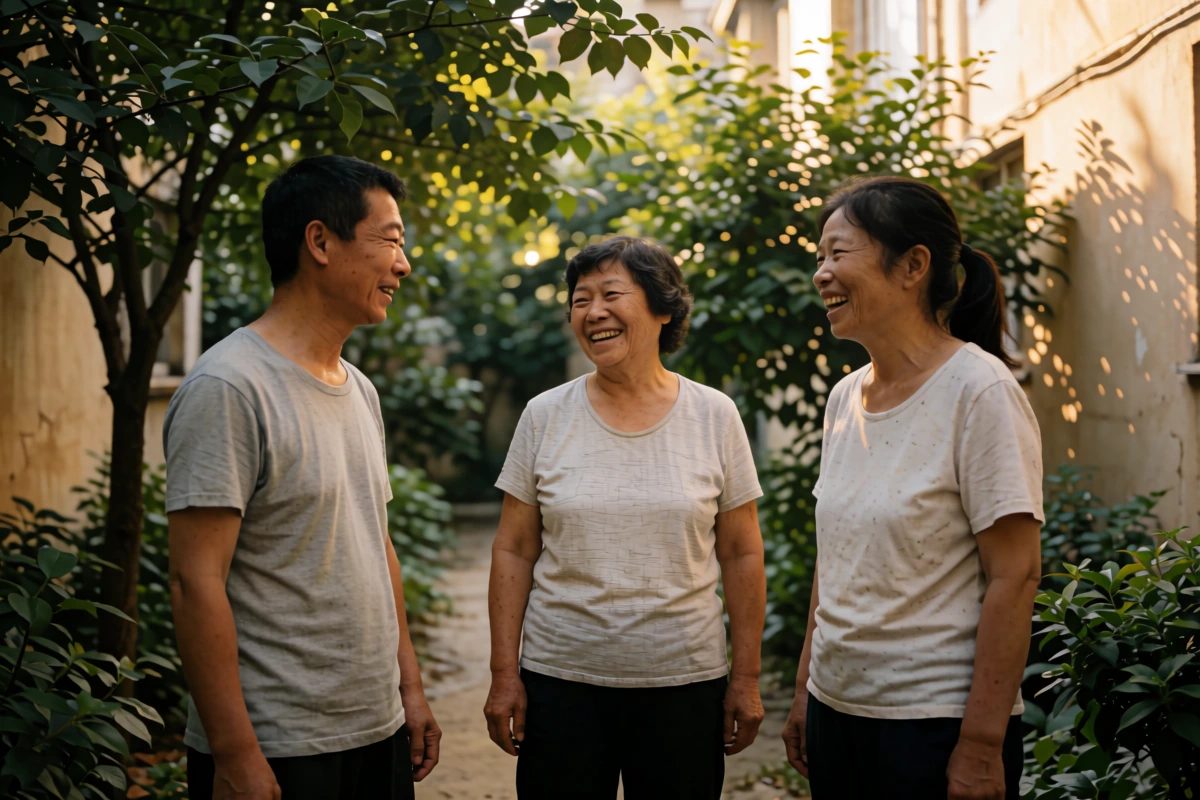
Choose a place you can revisit
Social connection usually grows from repeated contact rather than a single large event. Choose a class, language exchange, or sport. A volunteer role, library activity, or neighbourhood place may also fit your week. Canadian member listings may suggest a lead, but they do not prove that a group is active, safe, or official.
Start with one small conversation and one question about the activity. Learn the organiser's name and the next date. A recurring schedule gives you time to practise Spanish, notice whether the setting feels comfortable, and decide whether you want a second visit.
Check the listing before you travel
Open the live page and look for the recent date, organiser, venue, and cost. Then check language, access information, and cancellation notice. Message the named organiser if a detail matters. Do not send a passport, bank information, or a full address to someone who offers a social introduction. The Buenos Aires agenda is useful for public events; member platforms remain user-generated.
If the event is in another neighbourhood, map the return route and a place to wait if the plan changes. Tell a trusted person where you are going without publishing the details. A current travel advisory can inform general precautions, but it cannot decide whether a particular gathering suits you.
Keep Canadian ties alongside local ones
Building local friendships does not require dropping Canadian relationships. Set a realistic call or message rhythm and explain the time zone. If a Canadian friend visits, introduce them to the local place you have tested rather than promising a whole community network. Let each relationship develop at its own pace.
A community member's experience is valuable evidence about their experience, not a government rule or population count. Keep that distinction when discussing services, work, housing, or legal status. Refer those questions to the responsible authority.
Return once before deciding
Attend the activity once, note how the organiser handles questions and access, and decide whether the next meeting fits your route and energy. If it does, add the next date to your calendar and offer one concrete contribution. If it does not, keep the useful contact and try a different setting.
Schedules, venues, and online groups can change. Confirm the next event close to the date and keep a reversible plan for the first few visits.
Give the relationship time
After a second visit, decide whether the group or activity fits your values, language, budget, and energy. Offer one concrete contribution, such as bringing a question or helping with a task. Return on the next date only when your work, family, and transport routine can support it.
People, venues, and boundaries deserve the same care as official sources. Keep private details private and use the named institution for a government, health, tax, or legal answer.
A first contact does not require a personal disclosure. Talk about the activity, ask what happens next, and decide later whether the relationship merits a home invitation, a private message, or a longer commitment.
A new connection becomes more useful when you know what kind of contact it is. A language partner, neighbour, professional contact, volunteer supervisor, or friend may need different boundaries. Use the first meetings to learn the activity and the person. Do not exchange every private fact or ask one relationship to solve housing, work, and legal questions.
If you want to invite someone beyond the public activity, make the invitation specific and easy to decline. Keep the first meeting in a familiar place and tell a trusted contact the plan. Belonging grows through consent and repetition, not through pressure to share a home address or personal history.
Common questions
Where can Canadians meet people in Argentina?
Look at recurring classes, neighbourhood activities, language exchanges, volunteering, and current community listings. Verify every listing.
Is an online Canadian group an official service?
Usually not. Treat member groups as user-generated leads and keep government questions with the responsible official source.